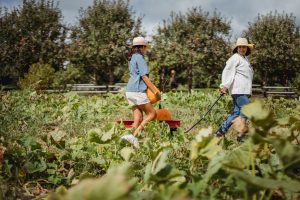
Our Impact

Crops planted
0

We are constantly updating our produce to keep up with the changing seasons, interests, and needs of our garden.

Promoting health, education, and a sense of belonging for all.

Our mission has always been to create an inclusive space where individuals can grow fresh produce and a stronger sense of community.

Health & Nutrition

Food gardens provide a consistent source of fresh, organic fruits, vegetables, and herbs. 

Physical Activity

Promotes outdoor hands-on engagement and reduces sedentary behavior.

Educational Opportunities

Through direct experience, children learn about plant biology, ecosystems, sustainability, and the significance of biodiversity. 

Mental & Emotional Well-being

Nurturing plants and witnessing their growth can alleviate stress, anxiety, and depression.

Community Building

Gardening clubs and community initiatives bring people of all ages together, encouraging social interaction.

Environmental Awareness

Working in food gardens promotes an understanding of environmental issues and the importance of sustainability.

Empowerment & Independence

Maintaining a food garden instills a sense of independence and self-reliance for senior citizens & helps children develop responsibility and problem-solving skills.

How We Help

We promote access to fresh food and educate children and families on the benefits of good nutrition and food as medicine, one neighborhood at a time.

By replacing existing barren or unproductive soil with organic compost to providing educational programs to school children, our goal is to educate, rejuvenate our earth, provide organic nutrition and promote healthy eating habits.

These green havens not only ensure access to fresh, nutritious food but also nurture physical health, educational opportunities, emotional well-being, and community cohesion. By fostering intergenerational connections and cultivating a shared sense of environmental responsibility, these food gardens pave the way for a healthier, happier, and a more sustainable future.

Who We Help

Neighborhood Farms can install a garden anywhere there is land to put a garden, and people who can maintain and benefit from one. We have installed gardens at: schools, assisted living facilities, and community centers in the Southeast United States and we are looking to grow. Help us install Neighborhood Farms nationwide.

SCHOOLS
SENIOR CENTERS
WORKFORCE HOUSING

Gardens seamlessly integrate into educational settings, starting as early as elementary school. Young children engage in garden maintenance, while older students participate in planning and planting. Schools sustain these gardens through courses like family and consumer sciences, gardening clubs, and agriculture or nutrition studies. Students can partner with their cafeterias to incorporate their produce into school lunches, creating a holistic educational experience centered around agriculture and nutrition.

Food gardens at senior centers offer numerous benefits. They provide a therapeutic and engaging activity for residents, promoting physical and mental well-being. Gardening fosters a sense of community and purpose, reducing loneliness. Plus, fresh produce enhances the nutrition of seniors’ diets, supporting their overall health. In essence, these gardens nourish both the body and spirit of our elderly residents.

Workforce Housing food gardens are invaluable. They foster a sense of belonging, bringing people together to cultivate shared spaces. Our gardens offer access to fresh, nutritious produce and build the culture of the neighborhood. These gardens empower communities to take charge of their health and environment, fostering sustainability and resilience. In essence, they are vibrant hubs for growth, connection, and positive change.

How You Can Help

If you’re enthusiastic about gardening and nutritional sustainability, join our community from across the country and access valuable tips and resources

Your tax-deductible gift helps us continue to provide edible gardens and promote health, wellness, and nutritional education.

Fresh Updates from Neighborhood Fams USA®

Rooted in a Digital World

Why the Age of AI Is Making Our Connection to Land and Community More Essential, Not Less As artificial intelligence reshapes what it means
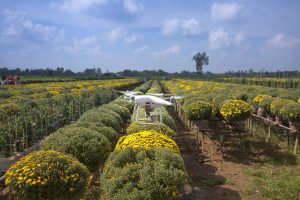
The Algorithm and the Acre

How Artificial Intelligence Is Transforming Agriculture and What It Cannot Replace Artificial intelligence is moving into agriculture faster than any technology since the tractor.
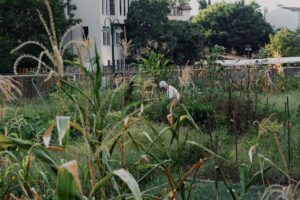
The Invisible Invoice

The Ecosystem Services That Small Farms Provide to Their Communities Free of Charge Every time a neighborhood farm absorbs rainfall instead of sending it
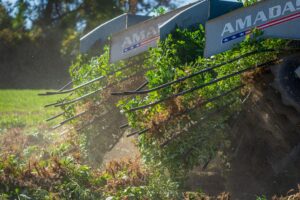
Two Ways to Farm

The Economics of Industrial Agriculture vs. the Neighborhood Farm and Why the Math Is not What You Think The industrial food system produces an
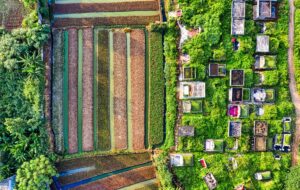
The Ultra-Processed Majority

How More Than Half of American Calories BecameSomething Our Bodies Don’t Recognize The problem with the American diet is not only what comes out
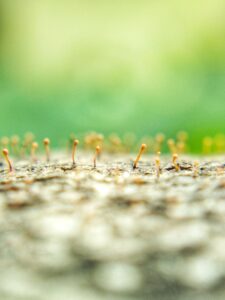
The Gut-Soil Connection

Why Microbiome Science Is Rewriting What WeThink Healthy Food Means A teaspoon of healthy soil contains more microorganisms than there are people on Earth.

The Working Getaway

How Farm Stays, Agritourism, and the New Hospitality of the Land Are Saving America’s Farms From five-star retreats in the Tennessee foothills to WWOOF

What a Seed Bank Holds

The Global Race to Save Crop Diversity, and Why the Most Important Seed Vault Is Your Garden In the last century, three-quarters of the

The School Garden Revolution

How Farms Are Transforming What ChildrenLearn, Eat, and Believe Is Possible Across the country, a growing movement is putting seeds, soil, and living plants